The Greatest Right Midfielders & Right Wingers of All Time
- Category:
- OS version:
- App Version:
- Size:
- Developer:
- Price:
- Midfielder Types / players
- Android - 4.0 and up
- $0.00
Right midfielders and right-wingers have always occupied one of football’s most creative, unpredictable, and tactically fluid roles. They can be the traditional chalk-on-the-boots touchline dribbler, the inverted inside-forward cutting in to score, or the wide playmaker responsible for unlocking defences with vision and passing range.
Across nearly 100 years of football history, the right side has produced geniuses dribblers, creators, scorers, icons whose impact transcends eras. This guide brings together historical legends, modern analytics, and evolving tactical roles to crown the greatest right-midfielders and right-wingers the game has ever seen.
This article isn’t just a ranked list it’s a full exploration of the role, the evolution of the position, and the unique brilliance that defined each player.
The Evolution of the Right-Midfielder & Right-Winger Role
The Classic Touchline Winger (1930s–1960s)
In early football, right-midfielders were true “outside rights.” Their job was simple in theory but brutally difficult in practice:
- Stay wide
- Beat the full-back
- Deliver crosses to the centre-forward
These players operated almost exclusively near the touchline, relying on pace, dribbling, and 1v1 instincts.
Stanley Matthews and Tom Finney defined this era — pure wingers who could mesmerise defenders with feints and tight control.
Tactically, these systems were built for width: 2–3–5 formations and early WM shapes relied heavily on wingers to stretch their opponents.
The Creative Wide Playmaker (1970s–1990s)
Football evolved tactically as pressing, organisation, and defensive structures improved. Right-midfielders needed to:
- track back
- press
- create from deeper positions
- cut inside to combine in central areas
This era saw the rise of versatile creators like Roberto Donadoni and late-century stars like David Beckham, who operated more as playmakers from wide areas than pure dribblers.
Beckham — often wrongly stereotyped as only a crosser — was essentially a deep creative engine on the right, dictating play with passing range unmatched in the era.
The Modern Inverted Winger (2000s–Present)
Fast modern transitions and data-driven football brought the rise of:
- inverted wingers
- goal-scoring wide forwards
- inside playmakers
- high-pressing wide attackers
Instead of hugging the touchline, many modern right-midfielders drift inside to shoot or create central overloads.
Think Arjen Robben, Mohamed Salah, Riyad Mahrez — all left-footed players dominating the right side.
The role now blends:
- goalscoring
- pressing
- creativity
- counter-attacking speed
It’s no longer enough to simply cross; modern right-siders often end up among a team’s top scorers.
Why Comparing Eras Is Complicated
Each generation played with:
- different balls
- drastically different pitches
- unique physical demands
- varying defensive tactics
- different rules (backpass rule, offside line changes)
- wildly different levels of nutrition, fitness & travel
That’s why legacy, technique, influence, and impact on matches matter as much as raw numbers.
Ranking Criteria: How This List Was Built
To fairly rank the greatest right-midfielders of all time, this article uses a hybrid system:
Peak Performance
How dominant the player was at their absolute height.
Longevity & Consistency
Years at elite level, durability, age longevity.
Skill & Technical Brilliance
Dribbling, crossing, creativity, pace, flair, versatility.
Achievements & Legacy
Major trophies, individual awards, international impact.
Tactical Influence
Did they redefine the role? Did their style change how the sport evolved?
Big-Game Impact
Performances in finals, World Cups, derbies, and key moments.
Advanced Data (Where Available)
For modern players: assists, xA, dribbles completed, chance creation metrics.
The Top 10 Right Midfielders & Right Wingers of All Time
Now, the definitive list — combining historical greats, modern analysis, and tactical context.
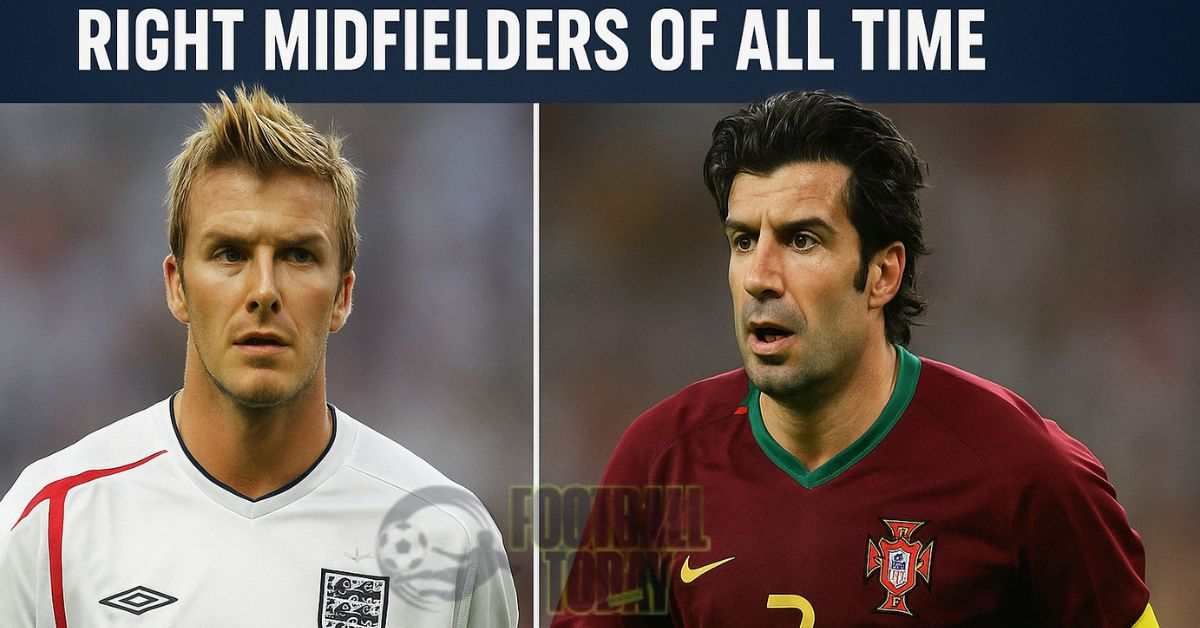
David Beckham (England)
Years active: 1992–2013
Clubs: Manchester United, Real Madrid, LA Galaxy, AC Milan, PSG
Style: Wide playmaker, elite crosser, set-piece specialist
David Beckham was far more than a celebrity icon — he was one of the greatest passers in football history. No right midfielders has ever struck a ball with more precision. His right foot was a weapon that could bend, whip, curl, or slice a pass into any area of the pitch.
Strengths:
- unmatched crossing accuracy
- elite free-kick technique
- leadership for both club and country
- impeccable work rate and engine
Major Achievements:
- 6 Premier League titles
- Champions League winner
- La Liga champion
- 100+ England caps
Beckham reinvented the right midfielders as a creative quarterback in a 4-4-2.
Billy Meredith (Wales)
Years active: 1890–1924
Clubs: Manchester City, Manchester United
Style: Early era dribbler, entertainer, pioneer
Billy Meredith is one of the very first football superstars — a man whose name alone sold out stadiums. Playing with a toothpick in his mouth, breezing past defenders decades before modern training existed, Meredith was a phenomenon.
Strengths:
- dazzling dribbling
- extraordinary longevity (career spanned 34 years)
- leadership on and off the pitch
- fought for player rights (abolished maximum wage)
He was a revolutionary both stylistically and politically.
Jimmy Johnstone (Scotland)
Years active: 1961–1978
Clubs: Celtic
Style: Tricky winger, fearless dribbler, electric flair
“Jinky” Johnstone is widely considered Celtic’s greatest player of all time. A tiny winger with the bravery of a heavyweight boxer and the feet of a ballerina, he struck fear into legendary defenders like Giacinto Facchetti.
Strengths:
- unstoppable dribbles
- fearless attacking
- devastating acceleration
- huge big-game performances
Achievements:
- key part of the 1967 “Lisbon Lions”
- European Cup winner
- 9 consecutive Scottish league titles
A cult hero with genuine world-class talent.
Roberto Donadoni (Italy)
Years active: 1982–2000
Clubs: AC Milan
Style: Technical creator, elegant wide playmaker
Often overshadowed by Milan’s Dutch trio (Van Basten, Gullit, Rijkaard), Donadoni was the understated magician who connected everything on the right side of Sacchi and Capello’s legendary teams.
Strengths:
- superb close control
- fluid dribbling
- tactical intelligence
- exceptional consistency
Achievements:
- 5 Serie A titles
- 3 European Cups / Champions League
His versatility made him essential in one of the greatest club sides ever assembled.
Luis Figo (Portugal)
Years active: 1989–2009
Clubs: Sporting CP, Barcelona, Real Madrid, Inter Milan
Style: Two-footed creator, powerful dribbler, wide playmaker
Luis Figo had everything: power, elegance, two-footed dribbling, elite creativity, and the ability to dominate a match from anywhere across midfield. He was the anchor of Portugal’s Golden Generation.
Strengths:
- flawless technique
- exceptional balance and ball control
- deadly on either foot
- world-class playmaking vision
Achievements:
- Ballon d’Or (2000)
- FIFA World Player of the Year (2001)
- Champions League winner
- 4 La Liga titles
- 4 Serie A titles
Figo’s controversial move from Barcelona to Real Madrid made him the symbol of the early Galáctico era.
Jairzinho (Brazil)
Years active: 1959–1982
Clubs: Botafogo
Style: Explosive winger-forward, powerful finisher
Jairzinho is a mythical figure in football history. In 1970, he achieved the impossible: scoring in every single match of the World Cup. Only two other players in history share that feat.
Strengths:
- muscular dribbling
- elite athleticism
- thunderous shooting
- ability to play anywhere across the front line
He was the perfect complement to Pelé and remains one of Brazil’s greatest scorers from wide areas.
Tom Finney (England)
Years active: 1946–1960
Clubs: Preston North End
Style: Two-footed technician, elegant dribbler, loyal icon
Tom Finney was the complete attacking footballer. Playing his entire career at Preston despite interest from global giants, he earned the nickname “The Preston Plumber.”
Strengths:
- sublime two-footed dribbling
- elite crossing and passing
- versatility (played on both wings, centre, deep)
- intelligence and positioning
Bill Shankly once said:
“Tom Finney could play in an overcoat.”
That is the highest compliment a manager can give a winger.
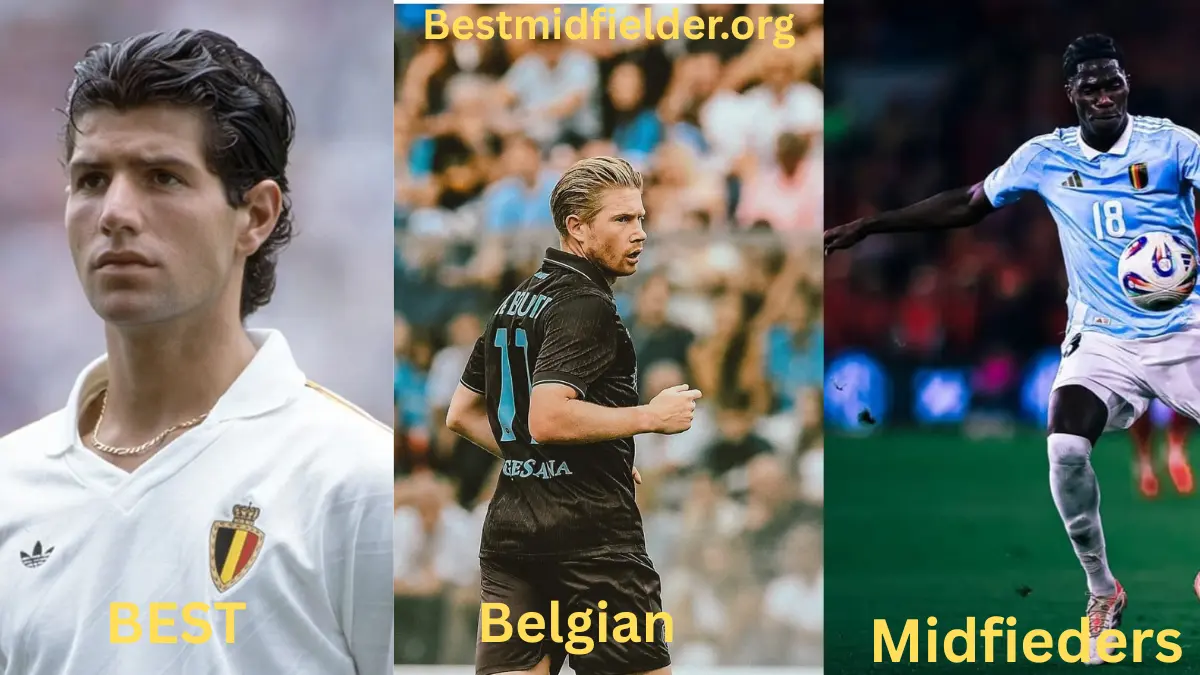
George Best (Northern Ireland)
Years active: 1963–1984
Clubs: Manchester United
Style: Flamboyant dribbler, goal-scoring wide forward, cultural icon
George Best wasn’t just a footballer — he was a global superstar long before social media. His ability to glide past defenders is still unmatched, and in the 1960s he was arguably the world’s greatest player.
Strengths:
- unmatched dribbling flair
- acceleration and balance
- creativity and goal-scoring
- charisma and showmanship
Achievements:
- Ballon d’Or (1968)
- European Cup winner
- Two First Division titles
The tragedy of Best is that his peak was cut short — but that peak remains one of the most electrifying in football history.
Stanley Matthews (England)
Years active: 1932–1965
Clubs: Stoke City, Blackpool
Style: Timeless dribbler, pure winger, relentless professional
Stanley Matthews is football’s great anomaly — a professional who played at elite level until the age of 50, in an era of heavy boots, muddy pitches, and brutal tackling.
Strengths:
- unrivalled longevity
- breathtaking dribbling
- impeccable fitness and discipline
- humility and sportsmanship
Achievements:
- First ever Ballon d’Or winner
- FA Cup winner in the “Matthews Final”
- 54 England caps across 20+ years
Pelé himself said:
“Matthews taught us how football should be played.”
Matthews is the best natural winger England has ever produced.
Garrincha (Brazil) — The Greatest Right Wingers of All Time
Years active: 1953–1972
Clubs: Botafogo
Style: Magical dribbler, unpredictable genius, anarchic attacker
Garrincha wasn’t just great — he was surreal. Born with crooked legs (one bent inward, one outward and several centimeters shorter), he somehow turned those “defects” into unguardable movement that full-backs simply couldn’t read.
Garrincha could beat defenders again and again, even when they knew exactly what he was going to do.
Strengths:
- the greatest dribbler in history
- explosive acceleration from a standing start
- unmatched unpredictability
- joyous, expressive football
Achievements:
- Two-time World Cup winner (1958, 1962)
- 1962 World Cup Player of the Tournament
- 1962 World Cup Golden Boot
When Pelé was injured in 1962, Garrincha carried Brazil to the trophy — single-handedly.
In Brazil, they say:
“Pelé was the king. But Garrincha was the joy.”
He is, without question, the greatest right-winger the sport has ever seen.
Honorable Mentions (Modern Era Edition)
To keep this list historically grounded, several modern stars were left out of the Top 10 — but they deserve recognition:
Arjen Robben
The king of the “cut inside and shoot” movement — a template that shaped modern full-back tactics.
Mohamed Salah
Liverpool’s greatest Premier League attacker. One of the most prolific wide scorers in history.
Ángel Di María
World Cup hero, Champions League specialist, brilliant creator.
Riyad Mahrez
The finesse winger of the Premier League era; elegant, decisive, and big-game brilliant.
Jadon Sancho / Bukayo Saka
Young modern hybrids capable of elite output. Too early to rank historically, but enormously talented.
The Most Underrated Right Midfielders Ever
Steve Coppell
England and Manchester United legend whose career was tragically cut short by injury.
Marc Overmars
Lightning fast and deadly in the final third; overshadowed by other Ajax icons.
Dirk Kuyt
Not the flashiest, but his work rate and big-game moments were elite.
Jesús Navas
Still going strong in his late 30s — pure professionalism and crossing excellence.
Statistical Leaders (Modern Metrics)
(Where pre-1960s data is limited, modern era stats dominate.)
Dribbles Completed (Modern Era)
- Robben
- Ronaldo (CR7 early years on right)
- Salah
- Mahrez
- Di María
Assists From Right Side
- Beckham
- Di María
- Mahrez
- Hakim Ziyech (hybrid role)
Goal Output From Right Wingers
- Salah
- Robben
- Bale (hybrid)
Tactical Analysis: What Made the Greats Special
Beating Players
Matthews, Best, and Garrincha are unmatched in 1v1 dribbling.
Creativity
Beckham and Figo were elite crossers and passers.
Finishing
Jairzinho and Salah showed that wide attackers can be deadly scorers.
Versatility
Figo, Best, Donadoni — all could play centrally or on either flank.
Tactical Intelligence
Modern wingers press, create width, and contribute to defensive transitions — a contrast to old-school flair players.
The Future of the Right Midfielders Role
Football is evolving toward:
- inverted full-backs supporting the midfield
- wide forwards scoring 20+ goals
- hybrid winger-playmaker roles
- rapid transitional systems
Expect right-siders to become even more:
- versatile
- data-driven
- tactically responsible
- heavily involved in central areas
We may see more wide creators who drift inside to operate as No. 10s in possession.
Conclusion
From Stanley Matthews’ era of muddy pitches and heavy balls to Salah’s world of analytics, high presses, and precision training, the role of the right midfielders has undergone dramatic transformation.
Yet one thing remains unchanged:
The right wing is a platform for magic.
The greatest players on this list — Garrincha, Matthews, Best, Figo, Jairzinho — all brought something unique and unforgettable. They weren’t just part of the team — they were the spark, the spectacle, the players who made fans lean forward in anticipation.
Every era has its legends, but the right flank has always belonged to the unpredictable artists — men capable of changing a match with one run, one cross, or one moment of genius.
And that is why the tradition of the right midfielders remains one of football’s most iconic and celebrated roles.
Top 10 Left Midfielders in Football History
Related Apps